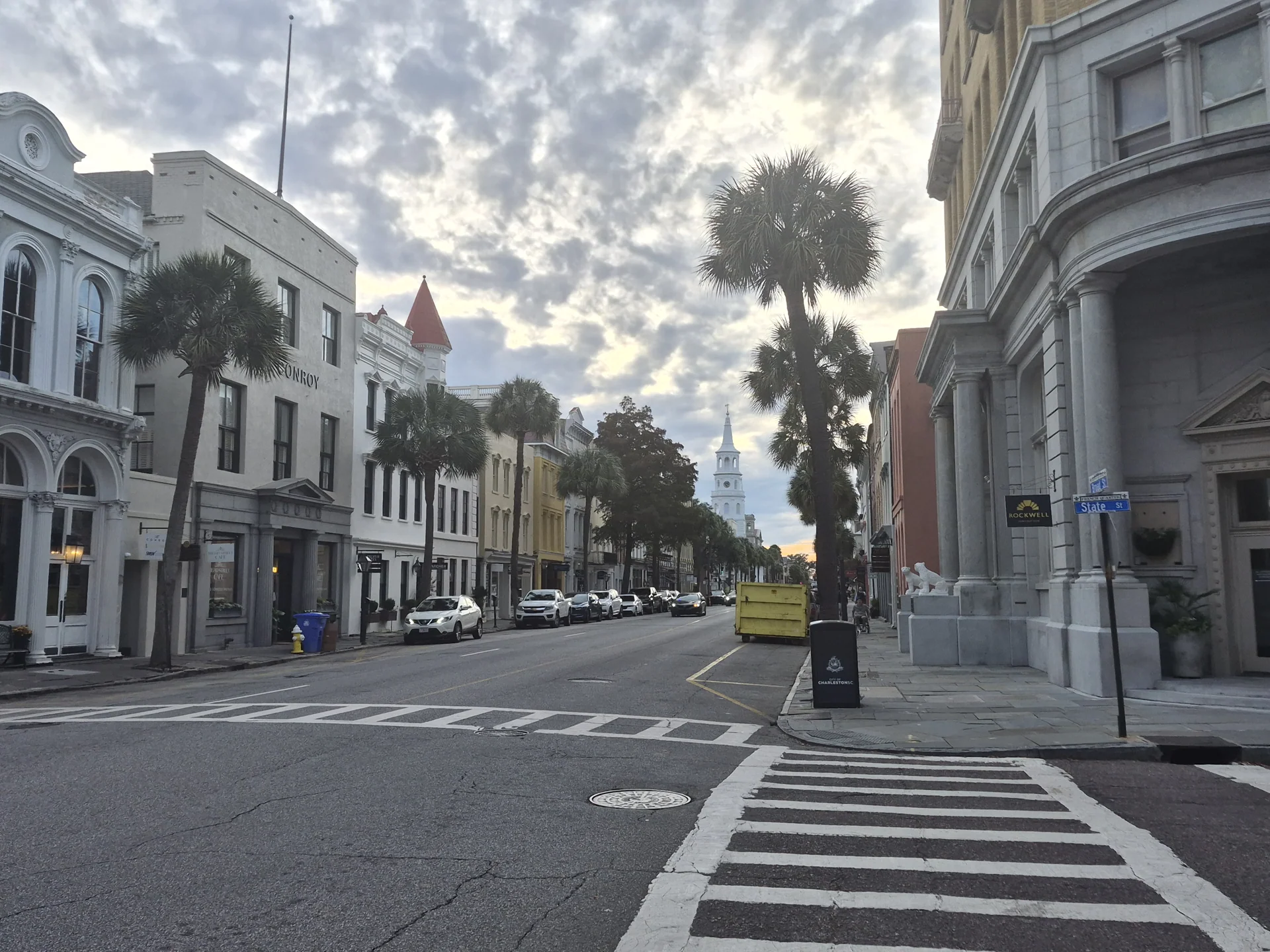
Downtown Charleston: A Guide to the Neighborhoods on the Peninsula
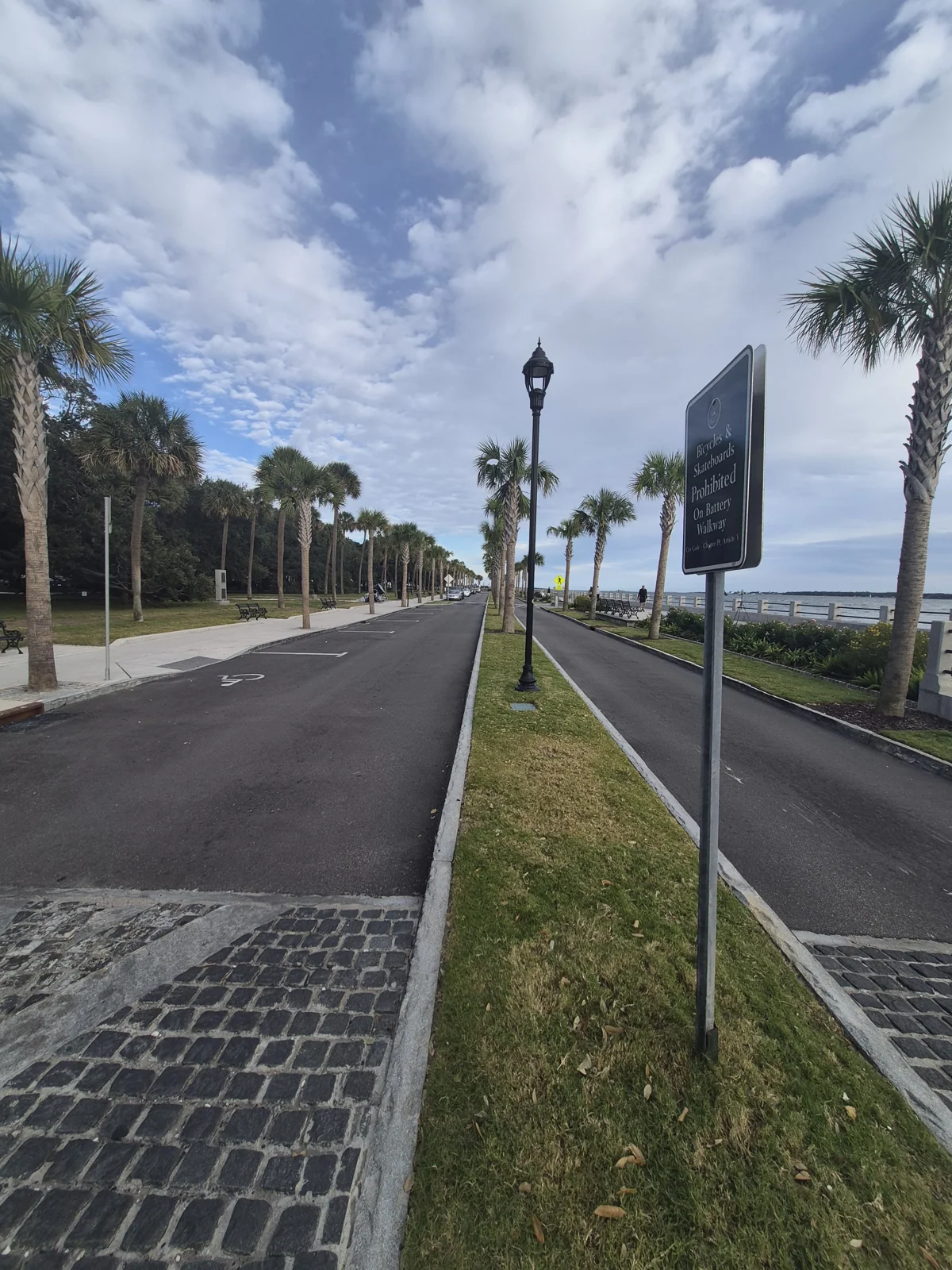
The Charleston peninsula is a small place with an unusually wide range of housing. An estate facing the harbor on East Battery and a cottage near Hampton Park are both downtown, but their prices, streets, parking arrangements and everyday routines have little in common. The useful question is where on the peninsula you want to live.
Price descriptions here explain the general character of each market; they are not current asking-price promises or a monthly statistical report.
South of Broad
Read the South of Broad guide: sale prices, flooding, parking and common questions ↗
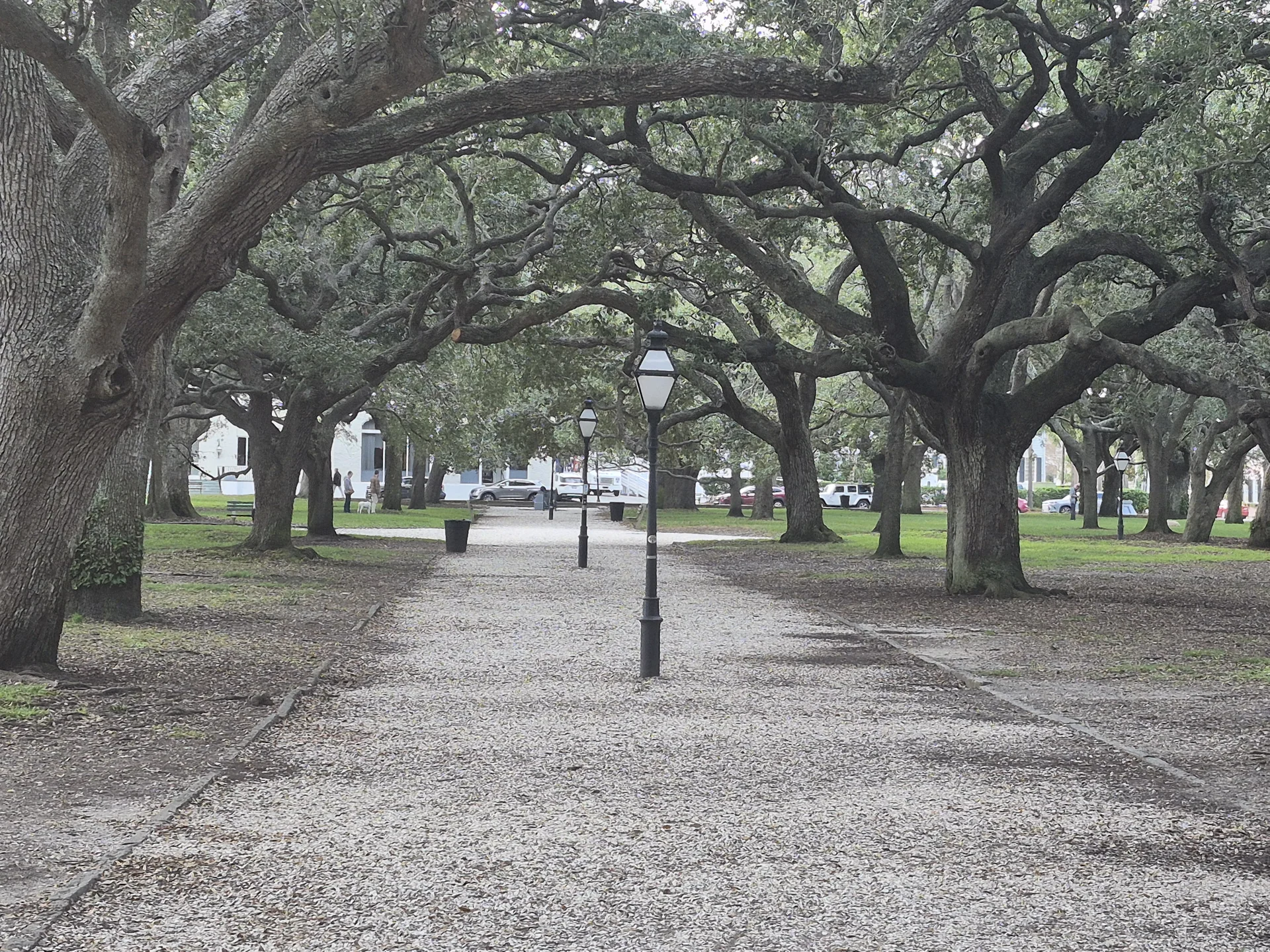
South of Broad is the peninsula's most expensive and closely watched residential address. Large historic houses on Legare, Church, Tradd and the Battery routinely command several million dollars, and exceptional waterfront estates can exceed $10 million. Small houses and condominium units occasionally provide a much lower entry point, but they are a different proposition from the grand residences most people associate with the neighborhood.
The immediate walking amenities are outstanding: White Point Garden, the Battery promenade, Broad Street and the historic streets around Rainbow Row. For a morning waterfront walk, few Charleston addresses can compare. For everyday grocery shopping, the location is less convenient: the peninsula's major supermarkets are farther north, at East Bay Street and WestEdge. Homes facing East Battery or near Rainbow Row also see more sightseeing activity than properties on interior residential blocks. Parking is a real consideration; having a driveway or designated space can change the usefulness of a property enormously.
French Quarter
Read the French Quarter guide: sale prices, flooding, parking and common questions ↗
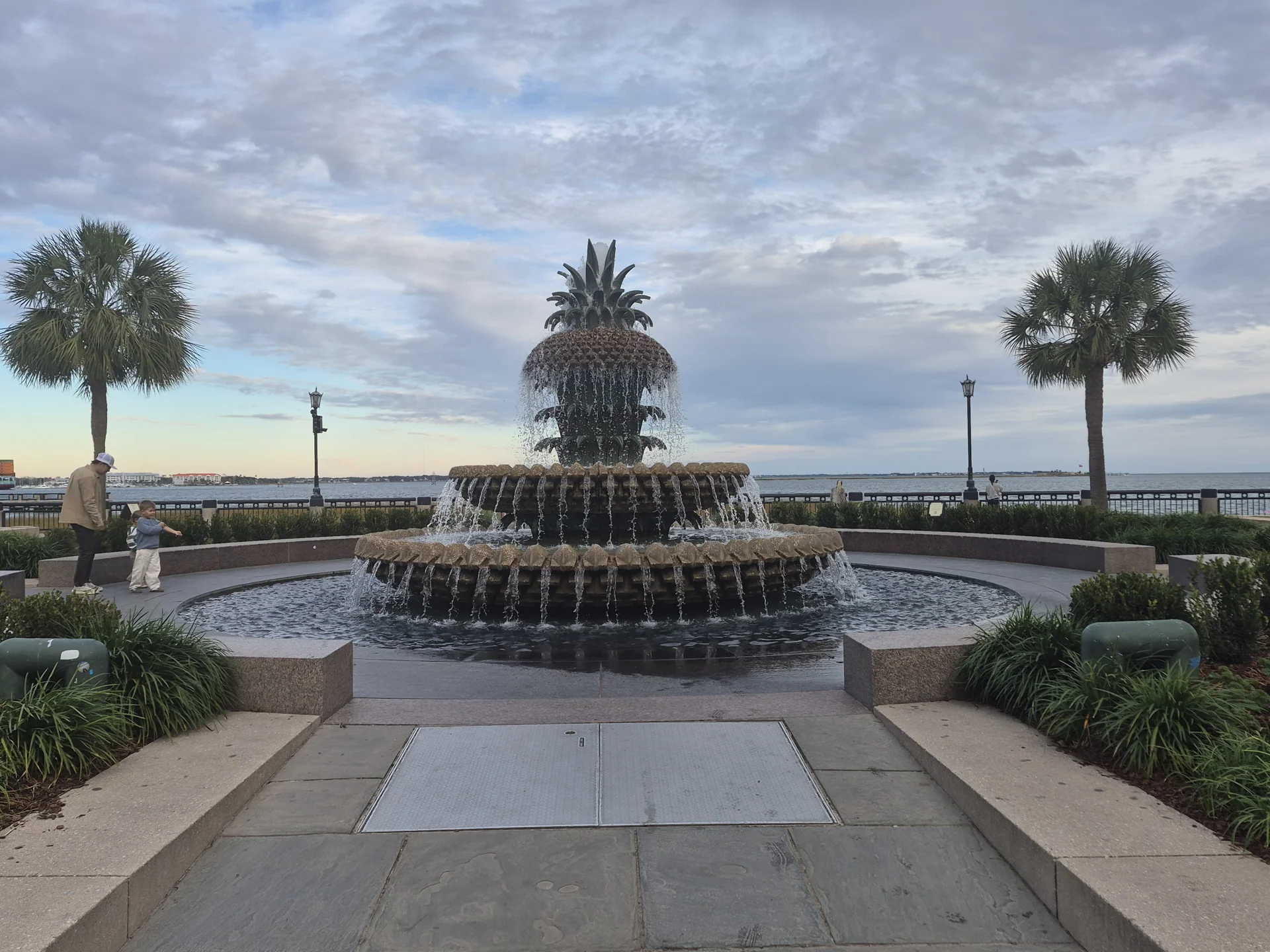
The French Quarter puts residents close to Waterfront Park, the Dock Street Theatre, the City Market, the galleries of Church Street and restaurants along East Bay and Queen streets. A surprising amount of downtown can be reached without a car, including the Harris Teeter at 290 East Bay Street. The immediate tradeoff is tourism and commercial activity, especially around the Market and East Bay.
Housing is a mix of historic houses, converted buildings, townhomes and condominiums. A small condo can sell for well under $1 million, while spacious waterfront or architecturally significant residences can reach several million dollars. This is a market where the building, ownership arrangement and parking rights matter at least as much as the address. A buyer who wants a lock-and-leave residence will see very different options from someone searching for a stand-alone historic house.
Ansonborough
Read the Ansonborough guide: sale prices, flooding, parking and common questions ↗
Ansonborough has some of the lower peninsula's best everyday access to conveniences. Harris Teeter on East Bay, Marion Square, the Gaillard Center, the South Carolina Aquarium, King Street and the Market are within a manageable walk from much of the neighborhood. It is one of the more practical places to live downtown if walking to a supermarket matters.
Small condominiums can be available in the mid-six-figure range, while larger historic houses on Anson, Society, Laurens and Wentworth regularly trade in the multimillion-dollar market; exceptional residences can reach $5 million or more. The distinction between an interior residential block and the busy East Bay or Meeting Street corridors is important. Two properties a short walk apart can have very different traffic, visitor activity and parking conditions.
Harleston Village
Read the Harleston Village guide: sale prices, flooding, parking and common questions ↗
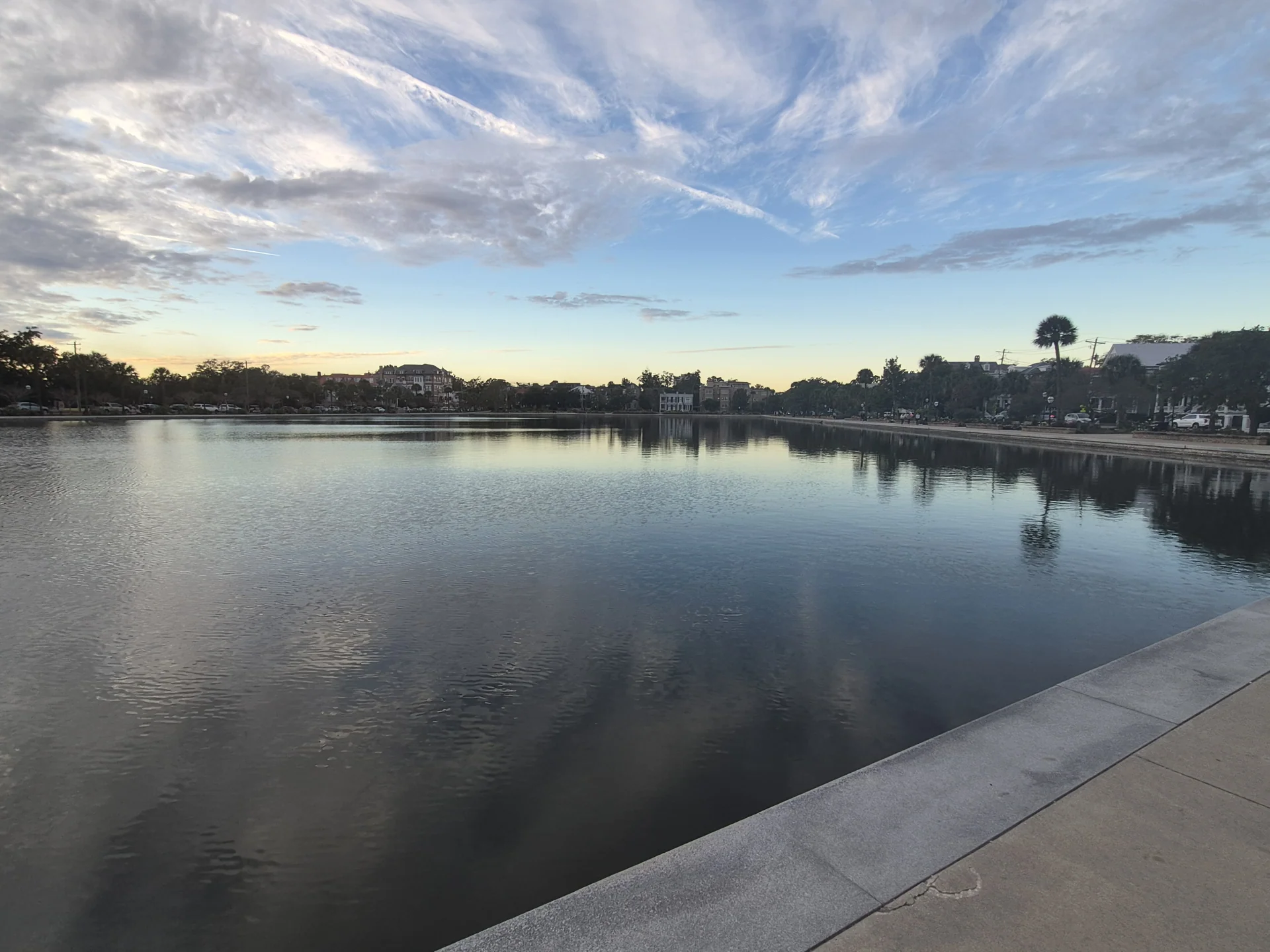
Harleston Village is an especially useful neighborhood for someone whose life revolves around Colonial Lake, Moultrie Playground, the College of Charleston or MUSC. Walk Score rates the neighborhood 89/100, and the rating reflects real walking destinations. The streets around Colonial Lake are particularly good for daily exercise; the northern blocks offer easier access to the medical district and, in some locations, Publix at WestEdge. Closer to the College, student activity becomes more noticeable.
There are smaller condos and attached homes in the six-figure and lower-seven-figure market, as well as detached historic houses worth several million dollars. The largest and most extensively improved residences can command well over $5 million. That range is why comparing properties solely by the name “Harleston Village” can mislead: a compact condominium near campus and a substantial restored house near the lake have little in common.
Radcliffeborough
Read the Radcliffeborough guide: sale prices, flooding, parking and common questions ↗
For people who want restaurants, coffee shops, offices and institutions within a few blocks, Radcliffeborough is among the most convenient choices on the peninsula. Its 95/100 Walk Score is Charleston's highest neighborhood rating. Upper King Street, the College of Charleston, MUSC and the Spring/Cannon Street businesses are nearby. This is real errand-and-commute walkability, rather than simply having pleasant sidewalks.
Smaller condominium units can be priced in the hundreds of thousands, whereas detached houses and substantially renovated historic properties reach $1 million to several million dollars. The housing mix is unusually varied: student rentals, small multi-unit buildings and historic residences occupy neighboring blocks. A property on Warren Street can feel quite different from one facing a busy portion of Calhoun Street, even within the same neighborhood.
Cannonborough–Elliotborough
Read the Cannonborough–Elliotborough guide: sale prices, flooding, parking and common questions ↗
The draw here is the Spring and Cannon street restaurant scene, with Upper King, the medical district and neighborhood cafes close at hand. Cannonborough–Elliotborough has a 93/100 Walk Score. For residents who regularly go out to eat or work at MUSC, it is one of downtown's easiest locations for getting through the day on foot.
The price range runs from compact condo units to detached houses and major renovations selling in the seven figures, sometimes above $2 million. Spring Street and Cannon Street are active commercial corridors, which means the best location for walking to dinner may also bring delivery traffic, outdoor dining and evening noise. Interior residential streets offer a different experience. The specific block matters more here than a blanket claim that the neighborhood is quiet or lively.
Eastside
Read the Eastside guide: sale prices, flooding, parking and common questions ↗
The Eastside's history is inseparable from Hampstead Village, the neighborhood's historic African American community, and the small public squares along America Street. Its streets around Hanover, Cooper, America and Amherst include long-held family homes, restored houses and newer construction. The area has seen substantial change, but it should be understood as an established community rather than just another redevelopment district.
The Eastside earns an 89/100 Walk Score. Residents have access to Meeting Street and central downtown destinations, although the distance to the supermarket and restaurants depends heavily on the block. Homes cover a broad range: smaller older houses and attached properties may be in the mid-six figures, while renovated detached homes can exceed $1 million. The contrast between older and newer housing is especially visible on a neighborhood walk.
Garden District and Wraggborough
This area is unusually well placed for Charleston's cultural and civic destinations. Marion Square, the Charleston Museum, the Gaillard Center, King Street and the Charleston Visitor Center are all close by. Mazyck–Wraggborough receives a 92/100 Walk Score. Restaurants, events and shopping can be part of a normal day without having to drive across the peninsula.
The residential market includes substantial historic houses, many valued in the $1 million to $3 million-plus range, alongside other smaller attached or condominium options in the broader area. Residential streets around Elizabeth, Chapel, Alexander and Wraggborough Lane are distinct from the busy traffic and events near Calhoun, Meeting and Marion Square. Anyone considering a particular home should pay attention to where it sits relative to those major streets.
Westside
Read the Westside guide: sale prices, flooding, parking and common questions ↗
The Westside works particularly well for people who want to be near MUSC, Publix at WestEdge, Brittlebank Park and the RiverDogs ballpark. Its 80/100 Walk Score places it in the very walkable category, although most of the southern historic attractions are a longer walk away. Access to a major grocery store and the medical district can make daily life more convenient here than in some pricier parts of downtown.
A modest older detached house may be priced in the hundreds of thousands, with renovated or larger houses reaching $1 million to more than $2 million. Streets near the Crosstown and medical-campus traffic routes have a different feel from quieter interior blocks. Ballpark events and activity around the western waterfront are other considerations when choosing a location.
Hampton Park Terrace
Read the Hampton Park Terrace guide: sale prices, flooding, parking and common questions ↗
The defining amenity is Hampton Park. Residents around Parkwood Avenue, Kenilworth Avenue and the surrounding streets have access to one of Charleston's largest parks, with walking and running paths close to home. The Citadel is nearby, too. This is a more residential, park-centered routine than living among the restaurants of Cannonborough or the visitors around the Market.
Early-twentieth-century houses, porches and established streets give the area its character. Many of the larger homes trade in the $1 million to $2 million-plus market, and especially substantial properties near the park can reach around $3 million or more; smaller homes can cost less. Walking to Hampton Park is easy from many blocks, while a supermarket trip or evening on lower King Street often makes a bicycle or car useful.
Wagener Terrace
Read the Wagener Terrace guide: sale prices, flooding, parking and common questions ↗
Wagener Terrace is a different kind of downtown neighborhood: cottages, bungalows, porches and residential blocks stretching north of Hampton Park toward Mount Pleasant Street. Corrine Jones Park, Hampton Park from the southern blocks, and neighborhood businesses on Rutledge Avenue are its nearby amenities. The Battery and City Market are too far away to treat as routine walking destinations for most households; a bicycle or car is useful here.
Smaller cottages can sell in approximately the $600,000–$900,000 range, while larger or thoroughly renovated houses regularly rise above $1 million and can approach $2 million. That makes Wagener Terrace less costly than South of Broad's grand historic-home market, but it is no longer a uniformly inexpensive area. The tradeoff is less immediate access to the tourist core in exchange for a more residential setting and local park access.
North Central
Read the North Central guide: sale prices, flooding, parking and common questions ↗
North Central spreads around streets such as Maple, Poplar, Cypress, Oswego and Rutledge, with access to parts of upper King Street. Its 77/100 Walk Score reflects a neighborhood where some restaurants and errands are within walking distance but other daily trips are easier by bicycle or car. The distance from here to the Market or the Battery is substantial, and nearby main roads and I-26 influence traffic on certain edges.
The housing is mixed: small older houses and condominium units can sell for a few hundred thousand dollars, while larger renovated homes reach $1 million to more than $2 million. The breadth of that range reflects genuinely different properties, not a single consistent price level. North Central is worth examining for buyers who want an upper-peninsula address and access to local businesses without paying a premium for a waterfront or Battery-area location.
Choose by How You'll Actually Use Downtown
If you work at MUSC, begin with the western portions of Harleston Village, Radcliffeborough, Cannonborough–Elliotborough and Westside. If you want to walk to restaurants, galleries and theaters, prioritize the French Quarter, Ansonborough, Radcliffeborough and Cannonborough–Elliotborough. If park access matters most, compare Harleston Village's Colonial Lake area with Hampton Park Terrace and southern Wagener Terrace. And if the historic harborfront itself is the priority—and the budget fits—South of Broad occupies a category of its own.
This overview will remain focused on the enduring differences between places; changing listing counts and sold prices belong on the neighborhood pages.