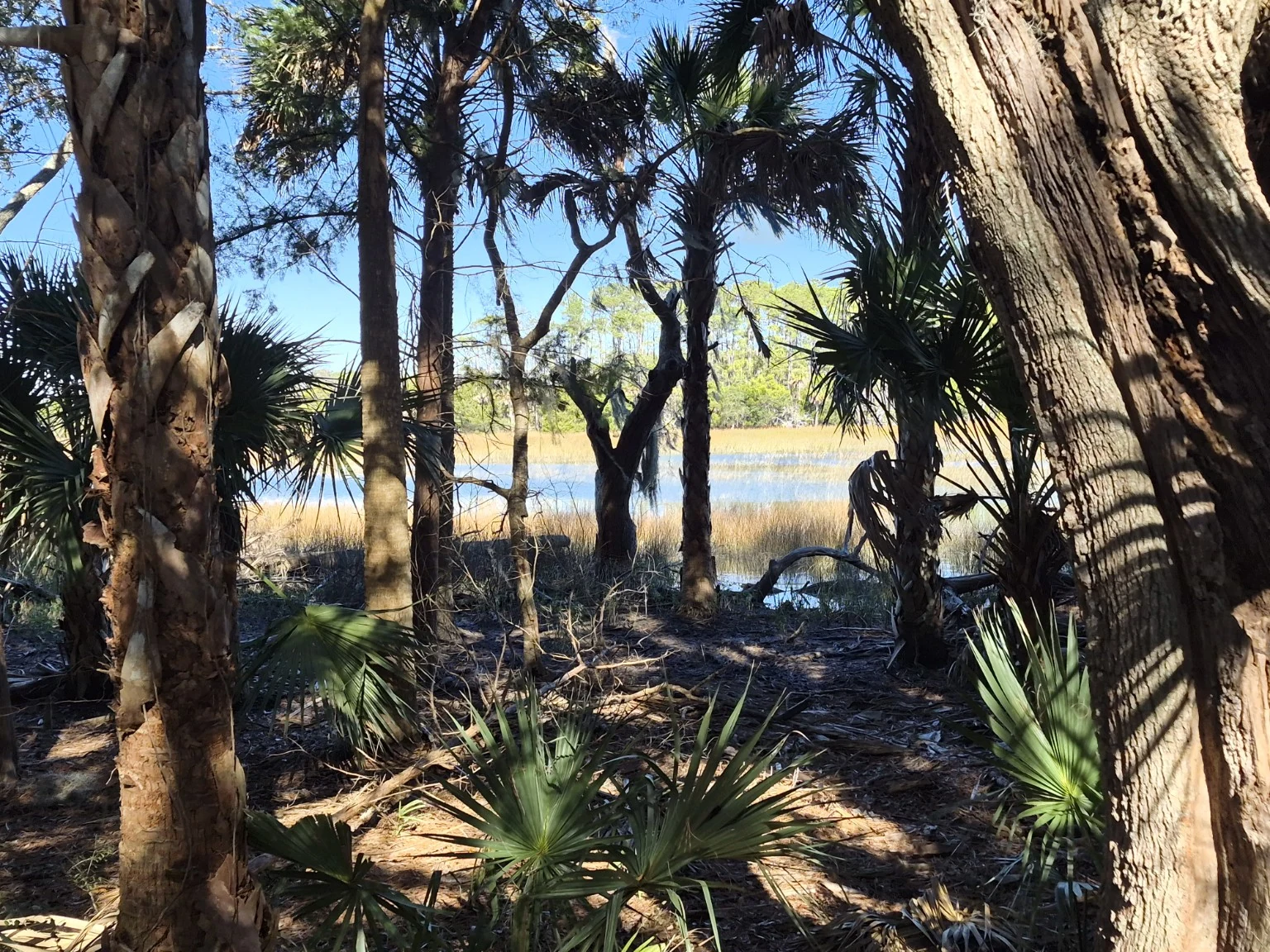
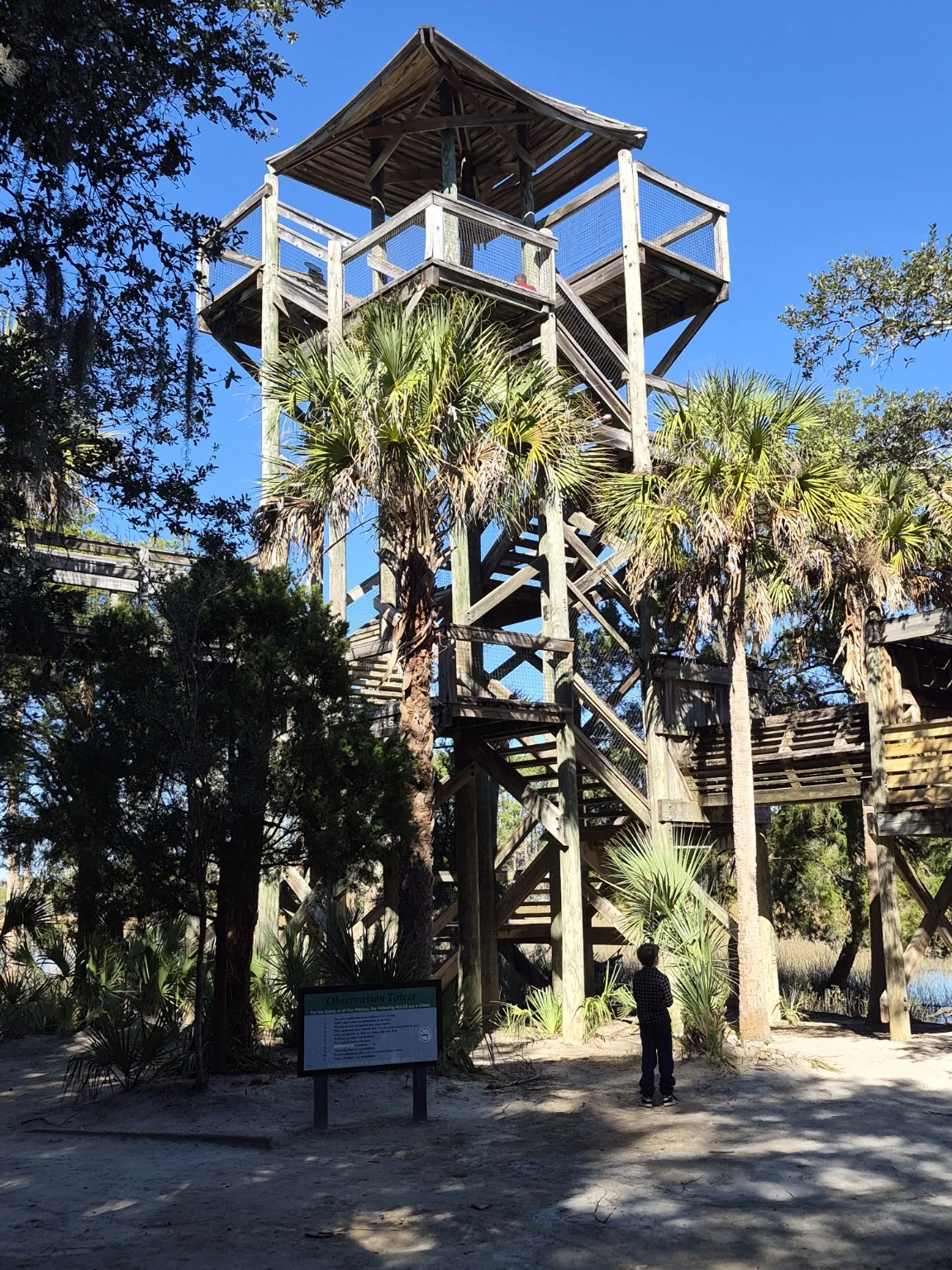
Longpoint was developed on land with a documented history reaching centuries before the neighborhood's construction.
In 1986, archaeologist Michael Trinkley and the Chicora Foundation conducted an intensive survey of a 275-acre proposed development tract near the confluence of Horlbeck and Boone Hall creeks.
The research was published in February 1987 as An Archaeological Survey of Longpoint Development, Charleston County, South Carolina: Palmetto Grove Plantation.
The archaeological team identified twelve sites: eight primarily associated with historic occupations and four with prehistoric activity.
The findings included evidence associated with Palmetto Grove Plantation, a large brick kiln, a nineteenth- and twentieth-century cemetery, a historic store, a farmhouse, and prehistoric shell deposits.
The research also examined evidence of the enslaved community that lived and worked on Palmetto Grove Plantation. The plantation complex included features associated with housing for enslaved people, and the investigators considered the possible relationship between the historic burial ground and the plantation community.
Several sites were recommended as eligible for inclusion in the National Register of Historic Places because of their archaeological significance.
The 275-acre figure refers to the tract studied in that survey. It should not be confused with the present-day neighborhood's total area or the 943-acre county park.
The report provides an unusually detailed look at the land's earlier occupants, economy, and physical development.
Read the Original 1987 Chicora Foundation Archaeological Study ↗